Moonshot AI, the Beijing-based developer of the Kimi models, has sought access to Nvidia Blackwell computing power through data centers in Europe, according to four people familiar with the matter cited by CNBC. The discussions, described as still in talks rather than a confirmed lease, focused on renting capacity from neoclouds hosting Nvidia graphics processing units in Europe. No company has confirmed a completed deal, and Moonshot, Nvidia, the White House and U.S. Commerce Department did not respond to requests for comment in the reporting.
How Moonshot AI turned to Europe for advanced Nvidia power
Deals discussed this year would see Moonshot rent capacity from neoclouds hosting Nvidia GPUs at facilities in Europe, the sources said. A Chinese AI company leasing Nvidia power in Europe would typically rent capacity from a non-Chinese neocloud or data center operator that can purchase advanced chips. Moonshot was looking to lease capacity on clusters for inference, serving models to end users, in Europe, according to two sources. One source said they were also aware of interest in clusters for training.
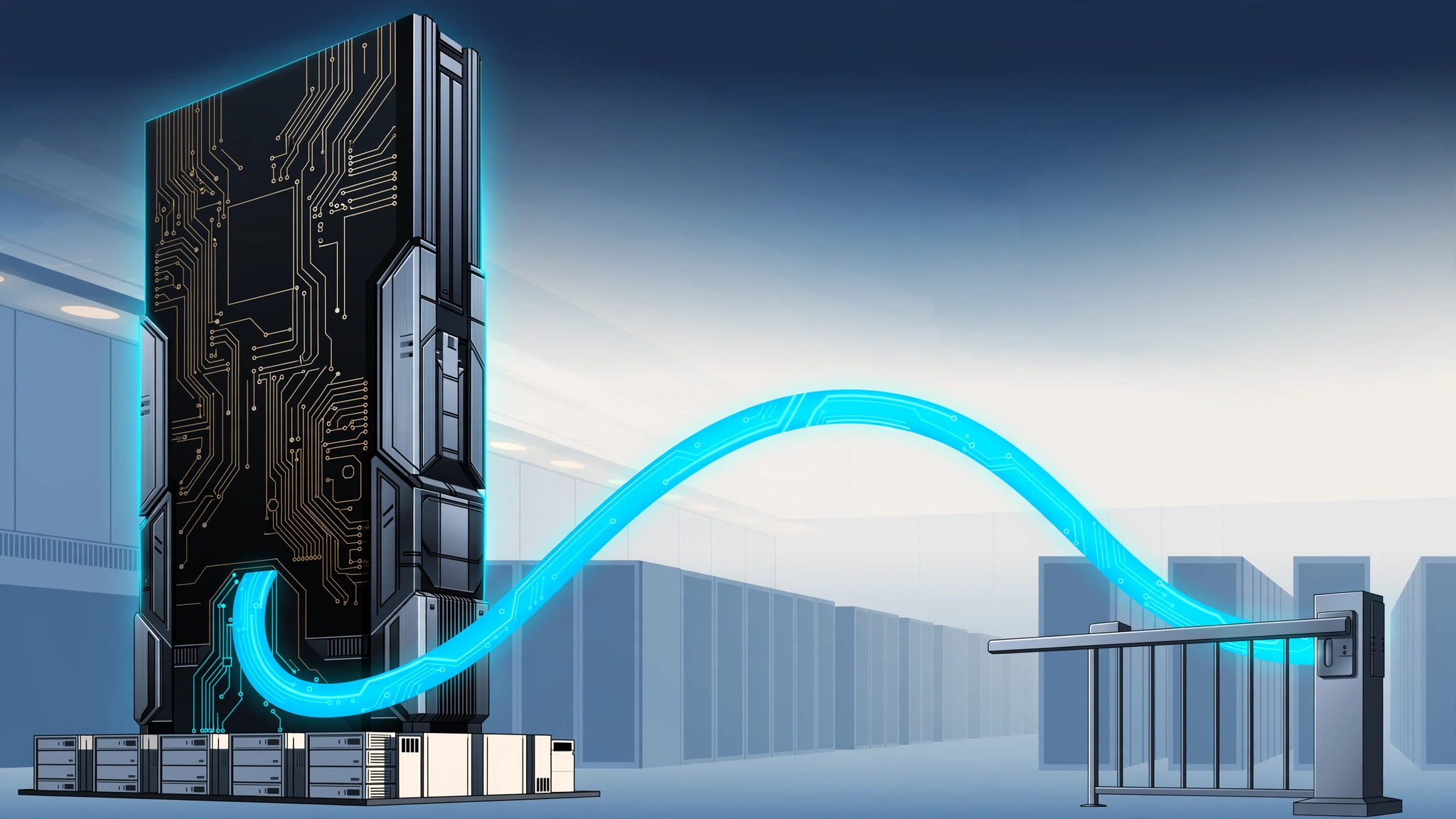
The European route emerged after U.S. export controls restricted shipment of Nvidia’s most advanced chips to China. Remote access via overseas data centers offers a loophole, because current law does not give regulators broad authority to control companies’ access to those chips through cloud services hosted overseas. Reuters reported that some Chinese AI developers have turned to overseas computing facilities to access advanced chips restricted from export to China. Reuters
Racing to secure computing power
Founded in 2023, Moonshot AI is one of China’s leading model builders, according to the reporting. It released a new model in July that Moonshot said closed the gap with leading systems built by Anthropic and OpenAI. The model saw significant uptake as a cheaper alternative to U.S. offerings. Chinese AI models have surged in global adoption in 2026, amid capability gains and lower costs than U.S. rivals, the report said.
Around the time Kimi K3 was released, Moonshot said demand had stretched its capacity, and it temporarily paused new subscriptions to prioritize compute for current members. “We’re adding capacity as fast as we can and will reopen new subscription spots in batches,” the company said in a LinkedIn post. Leasing AI compute is a booming industry, with customers, or offtakers, typically taking capacity for a fee and paying an upfront cost to secure the deal. One source said it had been proposed that Moonshot pay 30% to 50% more upfront than a non-Chinese offtaker would.
Clusters of 8,000 or more Blackwell GPUs
Talks for arrangements that would see Moonshot rent access to clusters of 8,000 or more Blackwell GPUs hosted in Europe have taken place, one source said. The source described the Chinese AI lab as “very aggressive” in its pursuit of more computing power. No confirmed lease was reported in the mined openings, and the figure should be read as the scale discussed in talks, not a finalized contract size.
Arrangements with Chinese customers can be more lucrative upfront, as neoclouds and financing firms look to hedge against a potential future ban of remote access agreements. Greater access to Nvidia chips could put more pressure on American rivals, the report noted, as Chinese developers have made notable capability gains in the past six months. American AI labs such as OpenAI and Anthropic are locked in a training and pricing battle with Chinese developers, including Moonshot AI, which makes the Kimi family of models.
Thailand and the earlier White House accusation
In July, the White House said the Chinese AI lab had accessed Nvidia’s Blackwell chips via a facility in Thailand. Earlier reporting said White House official Michael Kratsios said Moonshot “acquired GB300-equipped servers and has accessed GB300s in Thailand, likely to train its AI models.” Nvidia’s GB300 chips are one generation behind its frontier Vera Rubin systems and are still considered cutting edge. Moonshot did not comment at the time of the Thailand allegation.
One source told CNBC that talks on securing Moonshot compute in Europe had taken place since the White House said it had done so via Thailand. Cassia King, a senior researcher at the Institute for AI Policy and Strategy, told CNBC that Moonshot’s reported access to compute through a Thai facility was legal “so long as Moonshot isn’t actually buying and owning the physical hardware directly.” She said the U.S. export control regime “controls physical AI chips. It does not cover remote access to those chips.” CNBC
Remote Access Security Act and the remote-access loophole
Nvidia’s effective monopoly over the most powerful chips has made U.S. export controls a key tool in Washington’s effort to preserve its advantage over China in the AI race. The Remote Access Security Act (RASA), a proposed bipartisan legislation, seeks to expand U.S. export controls to include the remote cloud-based access of critical hardware and software. It passed the House of Representatives in January and is awaiting action in the Senate. The bill faces potential industry pushback, analysts said, because cloud providers would bear compliance burdens.
Michelle Nie, a visiting fellow at the Center for a New American Security, told CNBC the loophole was “threatening U.S. national security.” “The point of chip export controls is to deny China the ability to train frontier AI using advanced U.S. chips,” she added. Chinese hyperscalers including ByteDance, Alibaba and Tencent have reportedly accessed compute power from Nvidia chips remotely via other Asian nations. Reuters reported that proposed Chinese export curbs could affect how leading Chinese AI firms run advanced models on overseas data centers.
Questions and answers
How did Moonshot train K3? Moonshot unveiled Kimi K3 in July as the largest open source model at the time, with 2.8 trillion parameters. White House official Michael Kratsios said Moonshot had accessed GB300s in Thailand, likely to train its AI models. Moonshot has not publicly confirmed the training hardware or location. CNBC
Has Moonshot confirmed a European lease? No confirmed lease was reported. The reporting described deals discussed this year for Moonshot to rent capacity from neoclouds hosting Nvidia GPUs at facilities in Europe. Moonshot, Nvidia and the White House did not respond to requests for comment.
How large were the clusters discussed? Talks involved clusters of 8,000 or more Blackwell GPUs hosted in Europe, according to one source. The same reporting said Moonshot was interested in inference clusters in Europe and was also aware of interest in training clusters. No final contract terms were disclosed.
What premium was proposed? One source said it had been proposed that Moonshot pay 30% to 50% more upfront than a non-Chinese offtaker would. Offtakers typically pay an upfront cost that is a percentage of lifetime contract value. No named neocloud, price or contract duration was disclosed.
What is the Remote Access Security Act? RASA is proposed bipartisan legislation that would expand U.S. export controls to include remote cloud-based access to critical hardware and software. It passed the House in January and awaits Senate action. It has not yet closed the remote-access loophole described in reporting.
Why does Europe matter for Moonshot? European facilities can host Nvidia Blackwell systems that cannot be imported into China under U.S. controls. Renting from a non-Chinese operator allows remote access without buying or owning physical hardware in China. That structure is the core of the reported talks.
What comes next for Moonshot and its peers? The outcome depends on whether talks convert into leases and whether U.S. lawmakers advance remote-access controls. Reuters reported companies seek clarification on rules that could affect overseas data center use. No confirmed deal, funding amount or valuation was disclosed in the reporting.
Moonshot’s reported European talks show how remote leasing has become a central workaround in the U.S.-China AI chip contest. Whether Washington closes that loophole, or Moonshot secures the discussed capacity, remains undisclosed.